
SPINPET’s polymer Problem Solving service is a diagnostic and corrective intervention dedicated to managing and resolving technical issues that arise during the processing, use or qualification of polymer and composite materials.
Our approach, focused on real industrial problems and fast response times, aims to accurately identify the root cause, verify it experimentally and propose solutions fully compatible with the customer’s production and performance constraints.
PROBLEM SOLVING
Technical and scientific analysis and applied solutions for polymer materials and processes

Application areas
Every day, companies have to deal with complex materials, heterogeneous recycled streams, non-optimized formulations or production processes sensitive to variability.
When something does not work as expected, SPINPET intervenes with a technical and scientific problem-solving service, based on objective analyses and immediately applicable solutions.
Examples of issues we most frequently address:
- recycled materials with batch-to-batch variability (structural differences, contaminants, incompatibility with additives or existing matrices);
- loss of mechanical or aesthetic properties (brittleness, loss of ductility, MFI variation);
- compatibilization issues in complex and heterogeneous blends;
- instability during extrusion, injection molding or compounding;
- thermal or oxidative degradation;
- processability issues (gels, irregular flow, poor mixing);
- recurring defects in molded parts (breakage, deformation, poor homogeneity);
- mismatch between technical specifications and actual material behavior.
Each case is different, but our approach is always the same: a methodology based on experimental evidence and in-depth analysis of the material structure and processing history, aimed at understanding the material itself “not just its effects” and at reducing downtime, scrap and costs.
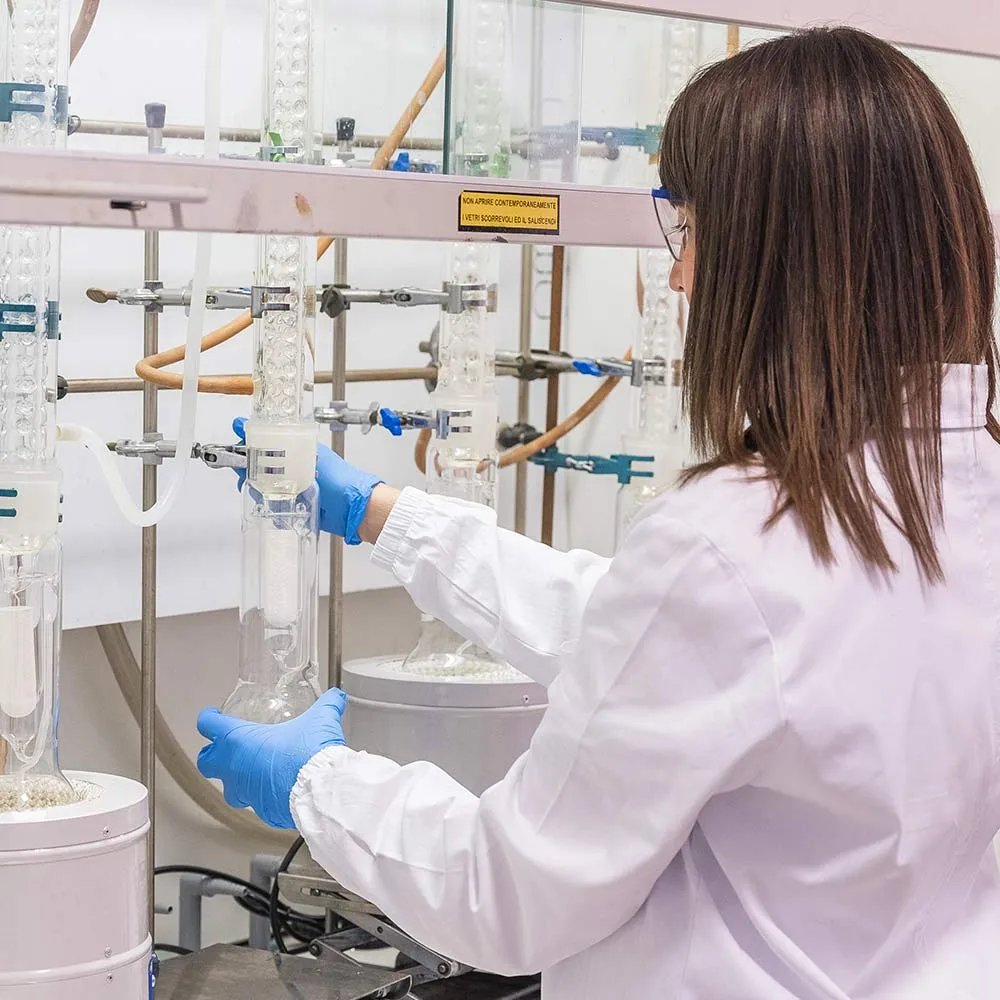
How we work: the problem-solving workflow for materials and processes
This structured polymer problem solving approach allows rapid identification of root causes and implementation of effective corrective actions.
1. Technical and scientific diagnosis
We analyze the issue or non-conformity starting from:
- material composition, origin and batch history;
- process parameters and operating conditions;
- required technical specifications and application requirements;
- production data and observed criticalities;
- any recent changes in suppliers, formulations or processing conditions.
This makes it possible to define plausible technical hypotheses and narrow down the potential causes.
2. Targeted material characterization
The characterization activities performed in our laboratories are defined according to the specific issue identified.
When necessary, techniques include analyses aimed at understanding the molecular-level behavior of the material:
- spectroscopy (FTIR, Raman, UV-Vis);
- thermal analysis (DSC, TGA);
- rheological testing (MFI);
- mechanical testing (tensile, flexural, impact, tear tests);
- morphological analysis (SEM);
- testing on real prototypes or samples under controlled conditions.
3. Elaboration of the technical-scientific diagnosis
Experimental data are integrated to:
- confirm or rule out the formulated hypotheses;
- understand the correlation between physico-chemical causes and observed behavior;
- identify the critical variables of the material–process system.
The diagnosis is delivered in a clear technical report, also suitable for internal audits or discussions with suppliers.
4. Definition of the applied solution
Based on the identified cause, experimental results and customer objectives, we propose corrective actions, which may include:
- formulation changes or selection of specific additives;
- optimization of process parameters;
- compatibilization or pre-mixing strategies;
- revision of storage or material pre-treatment conditions;
- definition of quality control protocols.
When appropriate, we produce small trial batches via twin-screw extrusion or injection molding to verify real process and material response.
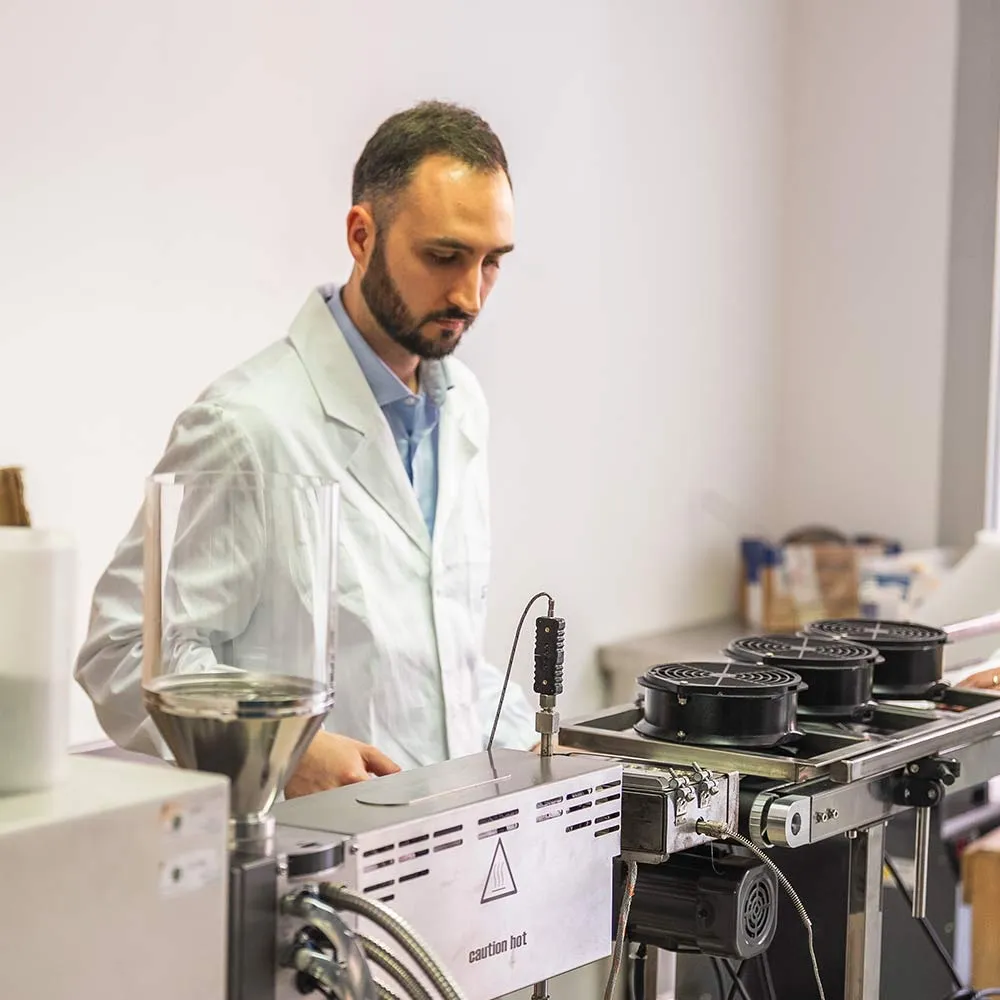
Benefits of the SPINPET Problem Solving service
SPINPET’s Problem Solving service enables companies to resolve critical issues and non-conformities with the speed required to avoid production downtime:
- reduction of line stoppages and scrap;
- increased production stability;
- availability of reliable, documented data for technical decision-making;
- prevention of recurring defects;
- improvement of final product quality;
- recovery of “difficult” materials or batches;
- assessment of the feasibility of recycled materials or new suppliers.
Experience gained in handling complex materials — such as heterogeneous recyclates, multi-component polymer blends and reactive systems — allows SPINPET to address issues requiring deep understanding of molecular structure, additive interactions and degradation or incompatibility phenomena.
Our service is designed for companies seeking rigorous, independent and immediately applicable technical support.
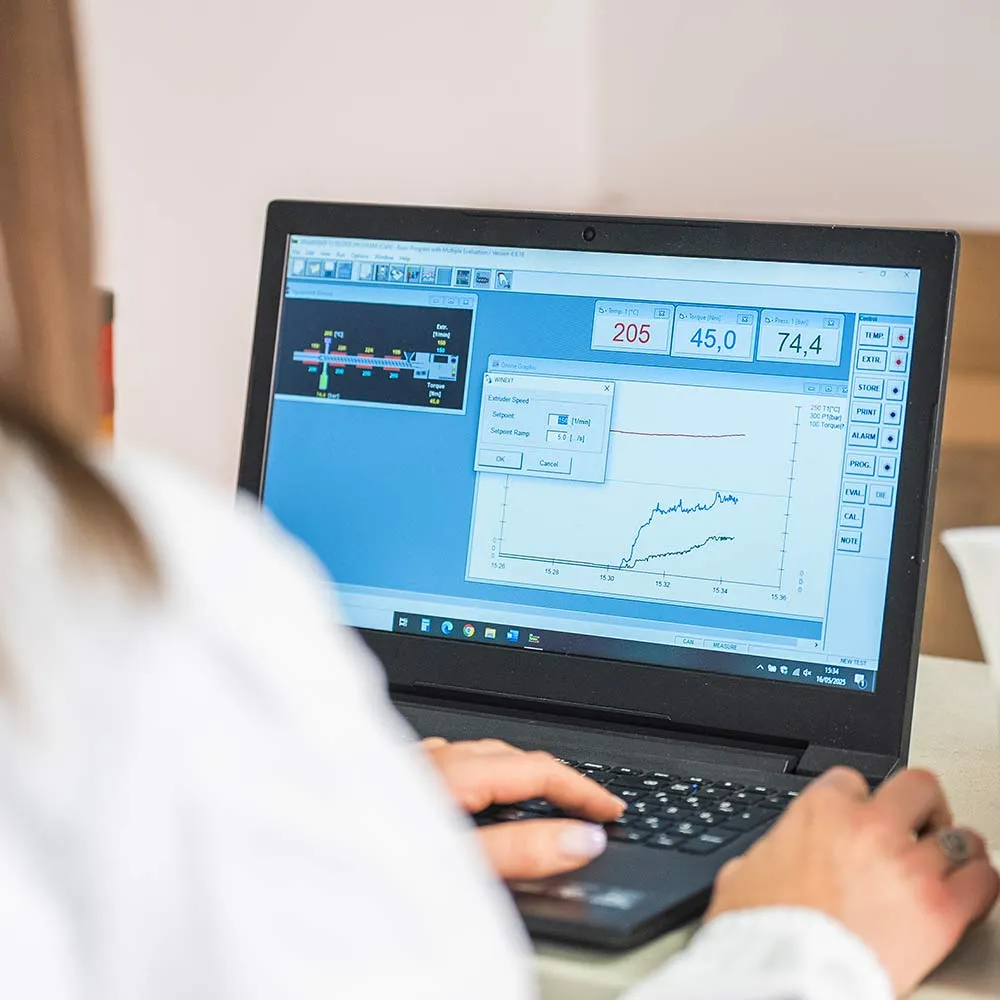
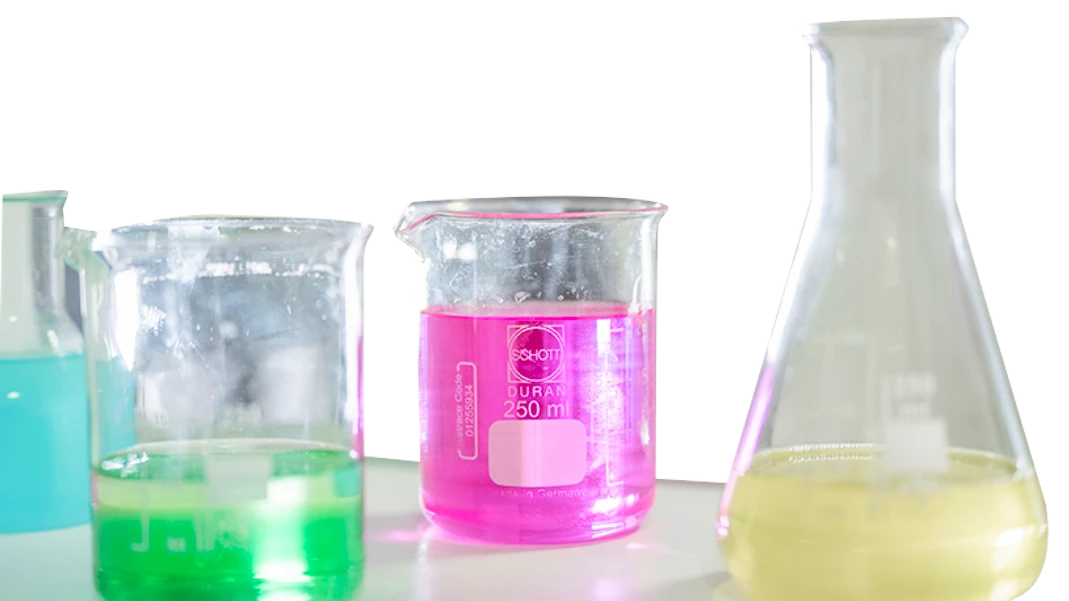
Do you have a polymer material or process that “does not behave as it should”?
For a technical assessment of the issue or to define a dedicated analysis plan, contact our research team.